by Gianni Minetti, Paradox Engineering SA
Smart Lighting means switching to LED technologies, which would cut energy use by least 50% or more.
Published in:
Electricity+Control, April 2016 (pages 42 – 45)
Enquiries: Email info@pdxeng.ch
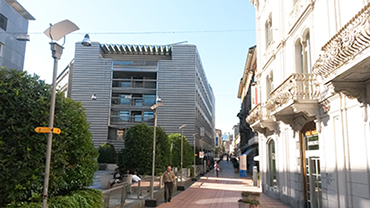 World population is growing and increasingly moving to urban areas. By 2050, about 70% of world population will live in cities and there will be approximately 40 megacities with more than 10 million inhabitants across the globe, most of them in emerging countries. Urban infrastructures are under severe stress, as it becomes harder to satisfy people expectations in terms of quality of life and quality of services including transportation, healthcare, education and public safety.
These assumptions are the core of the intense debate around Smart City models... how can a city become smarter in managing its own infrastructure and resources, leading the way to sustainable development in a far-sighted perspective?
Street lighting is one of the domains on which many communities around the globe have started to focus. It represents a major cost item in cities’ balance sheets, has a clear impact on liveability and affects environmental performance.
Take note
• Streetlighting represents a major cost item in cities’ balance sheets.
• There are approximately four billion street lamps in the world.
• Streetlighting constitutes 20% of global electricity consumption and 6% of global carbon dioxide emissions.
Read the full article on Smart lighting and beyond: Smart urban networks in the Internet of Things in PDF format.