To support reliable energy supply, a manufacturing plant needs a steady-state generator set that can power sensitive CNC machines with stable and clean power. A mine needs generators that operate underground in confined spaces and meet safety, emission, and noise requirements. For a construction site, generators need to be rugged, hold enough fuel for ongoing activities, and able to support a range of different equipment as construction progresses.
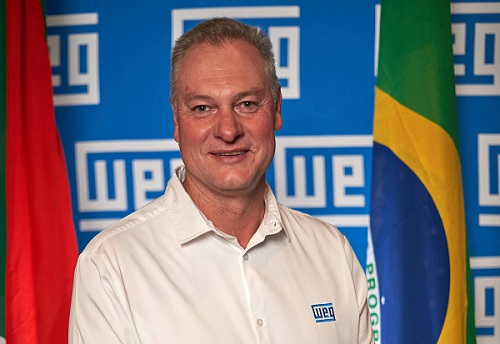
Louis Kotze, WEG Africa - Generator Sets.
Each application requires the right generator solution. It is seldom the case that a standard generator set can cover application-specific requirements. Customised generators rather, are designed to meet the particular needs of a given application. Louis Kotze, Executive of WEG Africa's Generator Sets Division says, “The customisation process involves coordinating specifications from several stakeholders.
"Selecting a generator set relies on input from different people. The site's electrical engineer focuses on areas like load requirements, total output and reliability; procurement managers are interested in cost-related issues and emissions regulations; and project managers want to know that the generators will support the project goals without hindrance. Each party knows what they expect from a generator. What they don't have time for is to work out all the details."
Customisation needs technical expertise
Generators on the market present a wide array of ratings and standards. A generator set can range from a straightforward off-the-shelf model to more sophisticated equipment and configurations, including synchronised units for large-scale power generation and careful integration with site equipment and infrastructure. An experienced generator provider collects the detailed requirements of each site to deliver a genset fit for purpose.
“Customisation options will address the generator's power output capacity, fuel type, noise reduction, control system, and size. Balancing these against budget, performance, and environmental expectations is complex, which is why the value of an experienced customiser shouldn't be underestimated,” says Kotze.
For instance, a remote mining site may need generators to support emergency dewatering operations. These generators need to be hardy and mobile; they need to hold enough fuel for long-term operations, to provide remote-monitoring features, and to be easy to refuel. They need to be cost-effective, and the customised units usually need to be delivered quickly.
A project like this presents several competing requirements that a standard generator set cannot meet effectively. The generators might be too cumbersome to move as dewatering operations shift focus. They might use the wrong fuel or require frequent maintenance due to dust and moisture damage.
Experienced, technical expertise is needed to supply a customised generator set.
"At WEG, we conduct assessments to understand factors like environmental and operating conditions, which we might get from the client or by visiting the site. We gather detailed information around power demands, peak loads, and the equipment that the generators will power. We try to speak to all the stakeholders. Understanding the project's requirements from different angles is our first priority. Customising generators is our second priority."
Selecting a customisation provider
Customising a generator requires more than technical skills. To evaluate a generator provider's customisation service, Kotze advises prospective buyers to start by looking at their track record. What experience do they have with similar projects, and what references and case studies do they provide? Are they asking the right questions, showing they understand the specific characteristics of a project and its sector?
The approach to assessments is as important. Are they thorough? Do they gather and incorporate technical and timeline requirements? Do they have the capacity to adapt responsively and provide additional services such as maintenance?
Certifications and standards are crucial, as they define quality, safety, and performance. ISO 8528 for generator sets is fundamental. Standards such as ISO 9001 (quality management), ISO 14001 (environmental management), and ISO 3046 (combustion engine management).are also relevant and valuable. Others relating to health & safety, testing, and sector-specific standards (such as food safety considerations at a food & beverage manufacturer), should also be considered.
Kotze adds that it is important to focus on the team behind the customisation, to ensure a site gets the right generator sets.
"Engineers and managers on sites know what they want. What they need is someone who can connect the dots for them quickly and professionally. Selecting and customising a generator solution requires skill. What's often neglected is understanding the customer's goals and how customisation will help achieve them. When deciding on a generator provider, that's where the real value comes from."
For more information visit: WEG Africa