Following the nationwide state-mandated lockdown to combat the spread of COVID-19, companies that are essential to production are to remain open. In industries such as manufacturing, where a man-machine interface is central to operations, social distancing and hygiene is a key concern.
 Compliance to the government’s directives and regulations laid out in The Disaster Management Act is the first port of call, but what additional measures should manufacturing companies be taking to put employee health and safety first in this time of national disaster?
According to Neil Reddy, business strategy & projects manager at Veer Steel Mills, the responsible, proactive approach that the government has taken to combat COVID-19 should be reflected in how all companies manage the pandemic.
“In times of uncertainty, employees are seeking decisive leadership. Crucial to this is quickly and purposefully implementing new processes of health and safety that align with both national and global best practice. Consistent communication with employees is necessary to demonstrate that taking care of their health wellness is always top-of-mind.”
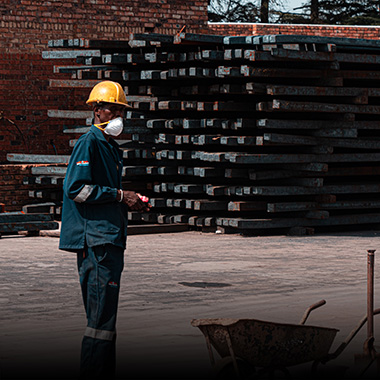
Due to the close confines in which workers in the manufacturing sector operate, the health and safety precautions undertaken must be extensive. “Hygiene standards are being maintained as industry best practice, while employees are encouraged to wash their hands regularly and wear their dust masks at all times. While the simple act of cleaning surfaces have always been part of our health and safety protocols, we have amplified this process by spraying down common areas and plant equipment multiple times a day.”
“During this time, it is essential to keep our staff informed so we have been running education and awareness programmes - not just about what these processes mean for the workplace, but how stringent health and safety measures should be applied in their own homes. Further to this, we have set up safety checkpoints for temperature screenings at various intervals within the factory. We have always practised staggered lunchtimes, but we have also increased the number of eating areas from three to six to limit the concentration of staff,” says Reddy.
Over and above this, it is critical to map out a response for disaster management should an employee test positive. “When tracing a potential infection, we identify cluster points of engagement and test everyone who has worked on that shift in that location. Should more staff test positive, we have made a quarantine station available on-site, or they will be directed to a government quarantine station.”
Reddy concludes that business continuity for the manufacturing sector requires being in a perpetual state of readiness for post-lockdown. “In these uncertain times, it is not survival of the fittest, but rather a survival of the level-headed. The Department of Trade and Industries is currently identifying areas in which the industry can participate. The steel industry must be prepared to step in and assist wherever necessary and be versatile enough to serve needs beyond the existing business scope. Proactivity is key - we are all contributing to the greater good at this time.”