South Africa's energy crisis has a devastating impact on the country's economy, which is reflected in its declining GDP, as reported by Statistics SA. Loadshedding is affecting food security, infrastructure, and communication networks, as well as key economic sectors like mining, tourism, and manufacturing. Jan Fourie, Executive Vice President for Scatec in Sub-Saharan Africa, has described the conundrum as not just an energy crisis, but a fossil fuel dependency crisis.
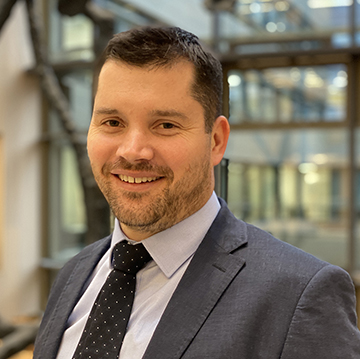
"With abundant sunlight and wind resources, renewables present the optimal solution to our energy woes in South Africa. The urgency of the situation calls for increased private sector investment in renewable energy projects to fast-track the Department of Mineral Resources and Energy's Integrated Resource Plan (IRP) and accelerate our economic recovery, by embracing the worldwide transition towards clean energy," Fourie says.
"The energy transition in South Africa has gained widespread public support, and the market will be looking to secure the necessary raw materials to fuel this shift in 2023 (and beyond)."
The significant upscaling in the production of lithium-ion batteries has made renewable energy price-competitive with fossil fuels, further driving the shift towards clean energy sources, Fourie adds. He notes too that the Covid-19 pandemic and the Ukraine war have seen supply chain constraints affecting commodities like nickel – a key component in Li-ion battery production.
"This could present an opportunity for SA's metal producers to fill the global supply gap – and potentially enabling the country to emerge as a key player in the new global metals market, simultaneously driving a just energy transition locally," he suggests.
In addition, innovations in storage technology allow renewable energy plants to produce stable, consistent, and dispatchable power, dispelling the myth that renewable energy is intermittent, or unreliable.
"Widespread investment in renewables, driven by strong tailwinds, will offer businesses far more than a safety net against loadshedding," Fourie says. He highlights the further potential benefits of, for example, brand differentiation, stable energy prices, and the opportunity to fulfil corporate sustainability targets.
"Embracing renewables is a key component of many successful businesses' corporate social responsibility strategies, and tends to herald strengthened stakeholder relations, including with local communities, customers and employees," he adds.
New energy wheeling legislation and power purchase agreements such as those concluded under the Renewable Energy Independent Power Producer Procurement Programme (REIPPPP) and Risk Mitigation IPP Procurement Programme (RMIPPPP) are helping to open out the energy mix and meet the pressures of national demand. Within the RMIPPPP, Scatec is currently constructing three projects in Kenhardt in the Northern Cape with a combined solar capacity of 540 MW.
Stian Kalsen, Communications Manager for Scatec, notes that the introduction of the green finance taxonomy (GFT) is bringing a measure of standardisation and transparency to the process of classifying and scoring SA's green economic activities, helping facilitate a smooth, equitable transition to a low-carbon, net-zero emissions economy.
“The private sector in South Africa has a crucial role to play in driving the transition to renewable energy and leading the charge towards a cleaner, more sustainable future. With the growing public push for sustainability and the incentives and opportunities offered by new legislation, 2023 presents a golden opportunity for businesses to embrace renewable energy,” says Fourie.
“This will not only bring environmental benefits; it also has the potential to drive economic development, create jobs, enhance energy security, and buffer the economy and society against the threats presented by loadshedding, which is with us for the foreseeable future.
"Dispatchable renewable energy is available in South Africa now, and it makes sense for businesses to invest in it. Already major projects are under way that promise to protect early adopters from loadshedding-related risks and help bring South Africans clean power for the future.
"Renewables are a safe investment option for businesses at the microeconomic level, and at the macro level, harnessing the country's abundant sun and wind resources could hold the key to future-proofing South Africa's energy sector," he suggests. "As we move into 2023, we hope to see the private sector in South Africa shift gears and stake their claim in a cleaner, more sustainable future with significant buy-in to renewables," Fourie says.
For more information visit: www.scatec.com