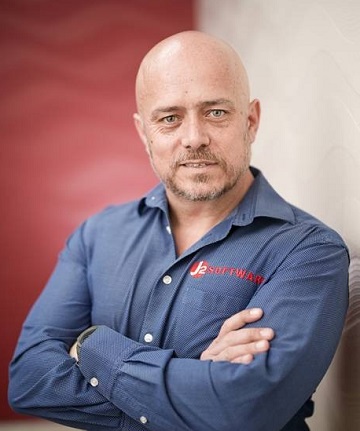
J2 CEO and cybersecurity expert John Mc Loughlin says AI has not stormed in but has crept up unnoticed, drafting emails faster than you can read them, generating code on the fly, automating workflows behind the scenes, and empowering support teams with tools that feel harmless – until they are not.
This is how Shadow AI takes hold, not as a project, but by behaviour, Mc Loughlin says. And that is why it has become one of the most dangerous risks most businesses are carrying today.
Shadow AI refers to any artificial intelligence system operating without security oversight, approval or governance. It includes employees using tools like ChatGPT, Copilot, Perplexity or Claude for client work. It includes AI features embedded inside SaaS platforms.
It includes teams training internal models on company data without understanding where that data goes. And it includes external AI agents with extensive access and bots that can read sensitive information, send emails, create files or delete them entirely. These systems are productive, efficient and largely invisible. And invisibility is where risk lives.
Mc Loughlin highlights that this risk is no longer theoretical. Threat actors are already using AI in real world attacks. AI-driven phishing campaigns can scale faster and adapt faster than human led operations ever did. Malware is being generated and reshaped continuously to evade traditional detection systems.
He further cautions that self-learning agents are probing cloud environments for weak identity controls. Credentials are stolen and abused. Employees are impersonated convincingly across email, chat and even voice communications. These attacks are already happening, and J2 is seeing them in live environments.
Mc Loughlin emphasises that cyber resilience is no longer only about users, devices and networks. It is about understanding the behaviour of machines that act on your behalf. Non-human identities now move data, make decisions and trigger actions at speed. When those identities are not visible or governed, they become perfect entry points for attackers.
Gartner identifies “shadow AI” as a critical blind spot for CIOs and cybersecurity leaders. A survey of cybersecurity decision-makers showed that 69 % of organisations suspect or have evidence of employees using prohibited AI tools, and Gartner predicts that by 2030 more than 40 % of enterprises will experience security or compliance incidents linked to unauthorised shadow AI.
J2 helps organisations bring this risk back into view. That means detecting when AI tools access sensitive systems, monitoring bot and non-human identity behaviour, flagging unusual activity across cloud and SaaS platforms and identifying Shadow AI before it becomes a liability.
It also means spotting AI-driven attack techniques rather than relying solely on known malware patterns and responding quickly when automation causes real world damage.
AI innovation does not need to stop, but it does need to be visible, governed and secured. If your organisation is using AI, officially or unofficially, now is the moment to take visibility seriously – to ensure you can see what you need to protect.
For more information visit: https://j2mssp.com/