Electricity and Energy Minister Kgosientsho Ramokgopa has announced an adjusted electricity tariff framework aimed at stabilising and revitalising South Africa’s ferrochrome industry.
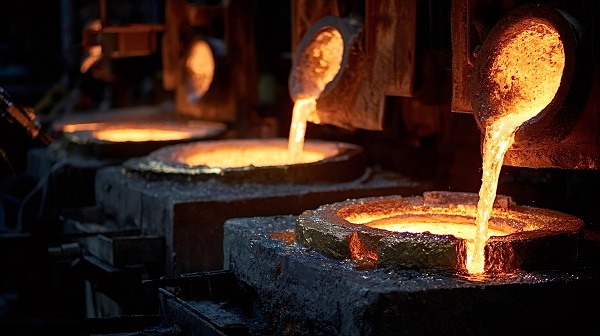
Minister Ramokgopa recently outlined government’s intervention to reduce electricity input costs for the ferrochrome industry.
This follows smelter closures and potential further job losses in a sector hard hit by international competition and rising local input costs, including high electricity costs. Addressing the media, the minister outlined government’s efforts to develop sustainable solutions for the struggling ferrochrome industry.
These include a significant reduction in power costs for ferrochrome producers, notably proposed tariffs of around 62 cents per kilowatt-hour for major smelters such as Samancor Chrome and the Glencore-Merafe venture, down from an interim tariff of 87.74 cents per kilowatt-hour approved by the energy regulator in January 2026.
This intervention is intended to help stabilise operations, prevent job losses and attract more smelters back into production. Ramokgopa described it as a “game changer” for the economy. He attributed government’s ability to intervene in such energy-intensive industries to the turnaround at Eskom which has put the national electricity utility in a more stable position.
“About 18 months ago, we would not have been able to do this. It has been made possible by the men and women of Eskom… together, we have been able to design an acceptable framework that allows us to intervene in this way, to support the South African economy.”
The intervention follows Section 189 retrenchment processes initiated by major ferrochrome producers, including Glencore and Samancor, which cited unsustainable electricity prices as their primary grievance.
Producers were previously paying around R1.35 per kilowatt-hour. Following engagements and regulatory approval by the National Energy Regulator of South Africa (NERSA), tariffs were reduced to around 87 cents per kilowatt-hour.
The Minister said the competitive benchmark is closer to 62 cents per kilowatt-hour – in line with international competitors like China.
Working within the existing fiscal framework, including the debt relief programme, government structured a solution that does not require new funding or shift costs onto residential consumers, Ramokgopa said.
Although the initial focus is on Glencore and Samancor due to their immediate distress, the minister said support will be extended to the broader sector through a phased approach.
Over 11 000 direct jobs
The minister noted that South Africa has 66 smelters, but only 11 are currently operational due to high electricity costs and market pressures. He said government’s phased intervention is expected to see 45 smelters operating by December 2026 and 49 by December 2027, representing 74% of national capacity.
The adjusted tariff framework is projected to support about 11 480 direct jobs and potentially a total of 121 392 jobs, including indirect employment across the value chain.
Within the national economy government estimates that the intervention will generate an additional R20 billion in expenditure on raw minerals for beneficiation, deliver R5.5 billion in additional tax revenue to the fiscus, contribute around R76 billion in export earnings, and provide Eskom with an additional R17.9 billion in electricity revenue from 24-hour smelter operations.
Ramokgopa emphasised that the measures are not subsidies, but are interventions that support competitiveness and are aimed at retaining beneficiation at source and breaking from historical extraction patterns
He noted too that the intervention represents the most significant announcement of his tenure as minister. “This is the gain we spoke about. We have paid the pain of load shedding. Now is the time for the return,” he said.
Industrial growth
Eskom Board Chairperson, Dr Mteto Nyati, described the announcement as a proud milestone in South Africa’s journey toward industrial growth and shared prosperity.
“We stand here not only to announce support for the country’s smelters, but to celebrate what has become possible when a utility recommits to its purpose. Our purpose is powering growth sustainably,” Nyati said.
He noted Eskom’s dual mandate: to operate as a commercially viable entity while advancing developmental objectives.
“Commercially, we must operate efficiently, deliver reliable power, manage our costs and secure financial health. Developmentally, we must recognise the critical role electricity plays in the economy – enabling jobs, beneficiation, exports and communities to thrive,” Nyati said.
For more information visit: www.sanews.gov.za