LED lights are not inherently ruining our view of the night sky; rather, it's the improper or excessive use of LED lighting that contributes to light pollution and obscures our view of the stars. Here are some reasons why LED lights can negatively impact our view of the night sky:
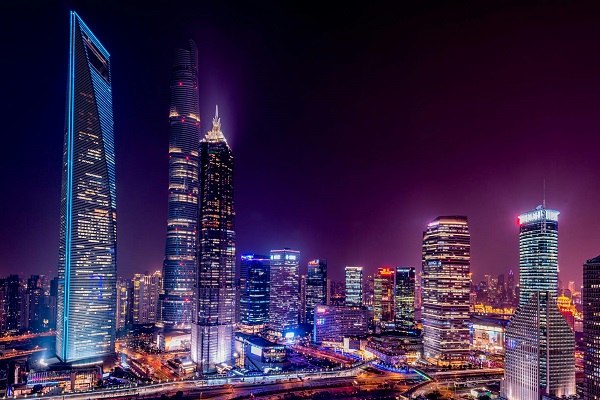 Blue light emission Many LED lights emit a higher proportion of blue light compared to traditional lighting sources. Blue light scatters more easily in the atmosphere, leading to increased skyglow and reduced visibility of stars, particularly in urban areas where LED streetlights and outdoor fixtures are prevalent.
Poorly designed fixtures Some LED lighting fixtures are poorly designed or improperly shielded, resulting in excessive glare, light spillage, and upward light emissions. Instead of directing light downward toward the intended area, these fixtures scatter light in all directions, contributing to skyglow and detracting from the natural beauty of the night sky.
Over-illumination The widespread adoption of LED lighting has led to over-illumination in many urban and suburban environments, where excessive lighting levels disrupt the natural balance of light and darkness. Overly bright or poorly controlled LED lighting can drown out the fainter stars and celestial objects, diminishing the overall quality of the night sky.
Increased urbanisation The expansion of urban areas and the proliferation of LED lighting in cities and suburbs exacerbate light pollution and degrade the visibility of the night sky. Urbanisation brings with it a greater demand for artificial lighting, including streetlights, commercial signage, and outdoor advertising, further contributing to skyglow and obscuring our view of the stars.
Lack of dark sky protection In many regions, there is a lack of regulations or enforcement measures to protect dark sky areas from light pollution. Without adequate policies and lighting ordinances in place, the uncontrolled proliferation of LED lighting can degrade the natural beauty of the night sky and compromise our ability to enjoy stargazing and astronomical observations.
Addressing the negative impact of LED lighting on the night sky requires a multifaceted approach, including the use of properly designed fixtures, the implementation of smart lighting controls, the adoption of dark sky-friendly lighting practices, and the promotion of public awareness and education about the importance of preserving our view of the stars. By mitigating light pollution and promoting responsible lighting practices, we can restore and preserve the beauty of the night sky for future generations to enjoy.
Source: www.newscientist.com