You want to create a calm and cosy atmosphere in the bedroom and living room. To achieve this, use bulbs that emit a warm white light and install a dimmer switch so that you can control the level of brightness.
Use multiple light sources at different levels in the bedroom. This way you avoid the harsh, unwelcoming glare that results when all lighting in the room comes from the same direction. A combination of ceiling lights, wall sconces, lamps, and even floor level lighting should do the trick.
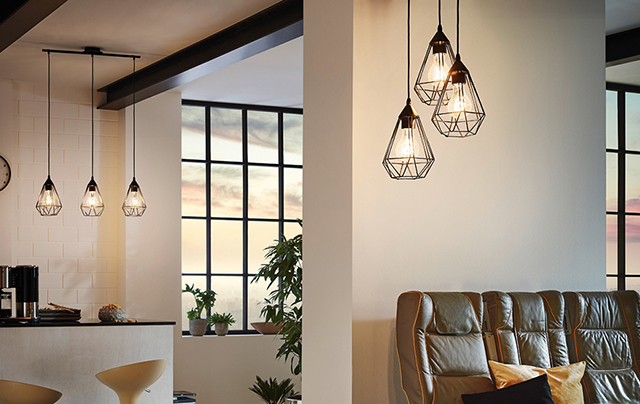
Pendant lights make for ideal ambient lighting in a living room. They can be hung at different heights to create various lighting effects, especially when using a dimmer switch. A striking pendant also draws the eye upwards and acts as a great conversation starter – perfect for setting a relaxed mood when entertaining guests in the evening.
The art & science of mood lighting in architectural design
Mood lighting is an essential component of architectural design that goes beyond mere illumination to influence the ambiance, aesthetics, and emotional experience of a space. It is strategically used to create an atmosphere that can evoke specific feelings and enhance the functionality of different environments. Whether in residential, commercial, or hospitality settings, mood lighting plays a crucial role in shaping how people perceive and interact with their surroundings.
Key elements of mood lighting
Colour temperature:
- Warm light: Typically around 2700K to 3000K, warm light creates a cosy, inviting atmosphere. It's often used in living rooms, bedrooms, and dining areas to promote relaxation and comfort.
- Cool light: Ranging from 3500K to 5000K, cool light is more energising and is suitable for task-oriented areas like kitchens, bathrooms, and offices. It enhances alertness and concentration.
Light intensity
- Dimmers: Adjustable lighting allows for flexibility in setting the mood. Dimmers can transition a space from bright and functional to soft and intimate.
- Layering: Combining different types of lighting (ambient, task, accent) helps in creating depth and dimension, allowing for varied lighting scenarios in the same space.
Light direction & placement
- Indirect lighting: This involves light that is diffused, such as from cove lighting or wall sconces, to reduce harsh shadows and create a softer glow.
- Accent lighting: Used to highlight architectural features, artworks, or focal points, accent lighting adds drama and interest to a space.
Applications of mood lighting
- Living rooms: Soft, warm lighting with adjustable brightness to accommodate various activities such as reading, entertaining, or watching TV.
- Bedrooms: Warm and dimmable lighting to create a tranquil and restful environment, enhancing sleep quality.
- Kitchens: Bright and cool lighting for food preparation areas, with softer, warmer lighting for dining spaces.
- Offices: Balanced lighting that reduces eye strain and boosts productivity, often incorporating natural light and cool white light.
- Retail stores: Accent lighting to highlight products, combined with ambient lighting that makes the space inviting and easy to navigate.
- Restaurants: Warm and dimmable lighting to create an intimate dining experience, enhancing the overall ambiance.
- Hotels: Mood lighting in lobbies, bars, and guest rooms to provide a welcoming and luxurious atmosphere.
- Hospitals & clinics: Calming and reassuring lighting in patient rooms and waiting areas to reduce anxiety and promote healing.
Enquiries: www.eurolux.co.za