Chrome rarely features prominently in global conversations about critical minerals. Yet the metal sits at the centre of one of the world’s most important industrial supply chains.
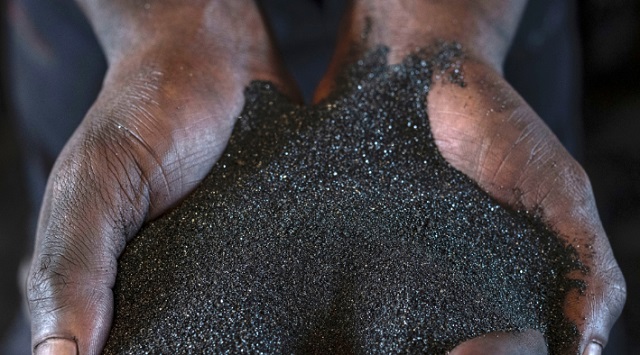
More than 90% of global chromium consumption is tied to stainless steel production, making chrome a foundational ingredient in modern infrastructure, manufacturing and transport systems.
Global stainless steel production has expanded steadily over the past two decades, driven by urbanisation, infrastructure investment and industrial manufacturingn
At the heart of this supply chain lies South Africa.
The country hosts the largest known chrome resources in the world, with the Bushveld Complex alone estimated to contain more than 70% of global chrome reserves.
“Chrome is fundamental to modern industrial supply chains,” says Tom Baring of Pelagic Resources. “It may not receive the same attention as some other commodities, but stainless steel cannot be produced without it.”
Yet the economics of chrome mining are rarely straightforward.
Many chrome deposits — particularly within South Africa’s Bushveld geological formations — also contain platinum group metals. These PGMs are often recovered as by-products of chrome mining operations.
When processed effectively, they can materially change the economics of a mining project.
“If you’re producing chrome alone, particularly from underground operations, you can end up high on the cost curve,” Baring explains. “But where deposits contain PGMs, those by-products can reduce the overall cost of production significantly.”
This integrated mineral profile is shaping the strategy of several emerging mining platforms in the region.
Pelagic Resources, which began as a commodity trading business before expanding into mining operations, is building what it describes as an integrated chrome and PGM production platform across several South African assets.
The company currently participates in multiple chrome-focused mining operations and is advancing the development of a third project that will incorporate both chrome and PGM processing circuits.
The approach reflects a broader shift in mining strategy toward maximising value from multi-mineral deposits rather than relying on a single commodity stream.
Equally important is securing reliable access to downstream markets.
PGM refining capacity is highly concentrated, and smaller producers often struggle to secure stable offtake channels for their material.
Pelagic has recently taken a step toward addressing that challenge through a commercial relationship with Valterra Platinum for the sale of its PGM concentrates.
“Access to marketing and refining channels is essential,” Baring says. “For smaller producers, demonstrating that your material has a home in the market is an important milestone.”
The agreement provides Pelagic with a structured route to market while creating a foundation for expanding PGM production as additional projects come online.
Beyond the commercial dynamics, mining expansion in South Africa also carries broader regional implications.
Many mineral deposits are located in areas with limited economic activity, where mining operations can play an important role in job creation and local development.
Pelagic’s operations involve partnerships with host communities including the Royal Bafokeng, Royal Bapedi and Mphahlele groups.
“If you’re mining in someone’s backyard, you need to be seen as a net positive,” Baring says. “Mining should create value not just for the company but for the communities that host these operations.”
For companies able to combine resource development, commodity marketing and long-term partnerships, the opportunity extends beyond individual mines.
As global demand for stainless steel and platinum group metals continues to evolve — particularly with emerging applications in hydrogen technologies and hybrid automotive systems — the combination of chrome and PGMs may prove strategically powerful.
“Mining today is about connecting resources, markets and capital,” Baring says. “When those elements come together effectively, you build a much more resilient business.”
In South Africa’s resource-rich Bushveld region, that model is beginning to take shape.