Dual-listed Sibanye-Stillwater and the South African Nuclear Energy Corporation (Necsa) have announced their research collaboration.
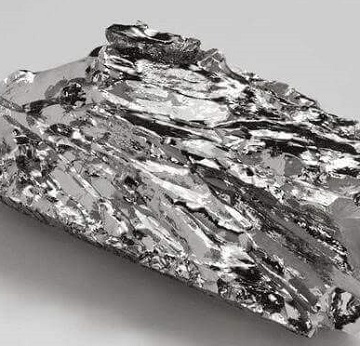 The collaboration aims to advance the development of a radioactive palladium isotope derived from rhodium for use in Targeted Radionuclide Therapy. The radioactive isotope Palladium-103 is currently used in Brachytherapy to treat localised tumours, including prostate cancer, by delivering radiation directly to the affected area, thereby limiting exposure to surrounding healthy tissue.
Rhodium is a platinum group metal (PGM) produced and refined by Sibanye-Stillwater at its South African operations.
Under the first phase of the project, Necsa will test and verify that the rhodium meets radionuclide production standards and will conduct further chemical work, including the production of high- purity Palladium-103 (Pd-103), which could eventually be used in Targeted Radionuclide Therapy.
The second phase of the project will see the parties collaborate on developing other nuclear medicine applications using rhodium and other PGMs produced by Sibanye-Stillwater. PGMs are already used in a range of medical applications, including diagnostic imaging and medical devices.
Loyiso Tyabashe, Group CEO of Necsa, said: “This collaboration brings together complementary strengths to advance research in nuclear medicine, while deepening South Africa’s sovereign capability in radiopharmaceutical innovation. Our vision is not only to contribute to the next generation of precision cancer therapies, but also to strengthen the country’s role as a globally respected centre of excellence in nuclear research.”
Richard Stewart, Chief Executive Officer of Sibanye-Stillwater, commented: “Our collaboration with Necsa reinforces Sibanye-Stillwater’s philosophy to invest in research and development opportunities to find new applications for our metals. Supporting advancements in healthcare through the potential use of our rhodium in nuclear medicine aligns strongly with our purpose to create a better future for people and planet through our metals.”