In South Africa’s bustling industrial, commercial and residential sectors, circuit breakers are the silent guardians of every electrical installation. These compact devices protect wiring, equipment and people from the destructive effects of overloads and short circuits. However, their ability to perform this life-saving function depends entirely on one non-negotiable factor: full adherence to applicable standards.
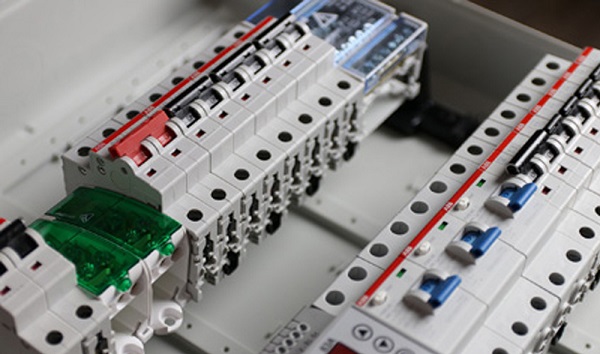
Compliance is not merely a bureaucratic tick-box. It is the proven assurance that a circuit breaker will operate exactly as intended under fault conditions. In South Africa, there are primary benchmarks for low-voltage switchgear and control gear, miniature circuit breakers (MCBs), and a relevant SANS standard for overarching regulations.
Understanding what makes a circuit breaker compliant is one thing, but why does this matter so much?
Safety first. A non-compliant breaker may fail to trip, allowing sustained arcing that can ignite insulation and start fires. Statistics from the Department of Employment and Labour and insurance loss-adjusters consistently show that substandard or counterfeit protective devices are disproportionately responsible for electrical incidents. In an era of increasing load densities—from EV chargers and solar inverters to data-centre expansions—fault currents are higher than ever. Only compliant devices are tested to safely interrupt these currents.
Legal and financial protection. The Occupational Health and Safety Act (Act 85 of 1993) imposes strict duties on employers and electrical contractors. Using non-compliant equipment can render an installation illegal, expose the responsible engineer or contractor to personal liability, and invalidate insurance cover. A single incident involving injury or property damage can result in fines, litigation, and reputational damage that far outweigh the modest premium paid for certified products.
Reliability and system longevity. Compliant circuit breakers maintain calibrated trip curves throughout their service life. They coordinate with upstream and downstream devices to prevent nuisance tripping while ensuring selective disconnection. In critical applications such as hospitals, mining operations, and manufacturing plants, this selectivity keeps essential services online and minimises costly downtime.
Technological relevance. Advanced functions are reliable only when the base device complies with the latest edition of the relevant SANS or IEC standard. Retrofitting older panels with non-compliant replacements often creates coordination gaps that compromise the entire protection scheme.
Electrical professionals have a clear duty: specify, install, and maintain only certified circuit breakers. This includes checking test certificates, verifying SABS or IEC markings, and insisting on documentation from reputable manufacturers. Regular inspection and testing in accordance with relevant SANS codes further ensure ongoing compliance.
In an industry where milliseconds separate normal operation from catastrophe, circuit breaker compliance is the foundation of professional integrity. It protects lives, safeguards assets, and upholds the reputation of every electrical practitioner. The cost of compliance is always lower than the cost of failure. Choose compliant breakers - every time. Onesto KCM1, KCMD2, and KCM5 breakers meet the highest compliance standards and are manufactured for a range of applications.
Giving you peace of mind that, behind the scenes, you are safe.
For more information, contact: www.mce.co.za