As South African households prepare for yet another spike in electricity costs, with NERSA recently approving a staggering 18.36% increase over the next two years, many consumers are reassessing their energy usage.
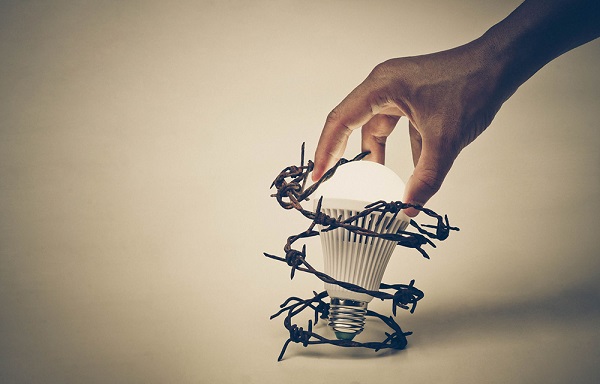
The appeal of energy-efficient appliances is compelling, as replacing older models with modern, A++ rated ones promises notable reductions in monthly bills.
However, as experts warn, the reality may not be as straightforward.
Dr Andrew Dickson, Engineering Executive at CBi-electric: low voltage, stated that while energy-efficient appliances should theoretically encourage savings, the expected reduction in electricity costs often does not materialise.
To illustrate this phenomenon, he pointed to the evolution of household lighting.
A room that once relied on a single 60 W bulb might now have 20 downlights. Even with efficient 5 W globes, the total load can reach 100 W. While energy efficiency gains are real, the increase in usage can outweigh these benefits,” he said.
The paradox of efficiency
This situation epitomises the “Jevons Paradox,” a phenomenon observed worldwide, in which increased efficiency often leads to increased consumption, ultimately negating expected savings.
Dr Dickson references a historical analysis from the UK spanning two centuries that revealed that, despite lighting technology becoming exponentially cheaper and more efficient, overall electricity consumption did not decline; people were using six thousand times more light than they had in the past.
Recent research from China highlights similar challenges, showing that families lost two-thirds of their forecasted energy savings from efficient air conditioners mainly because they operated them for longer periods.
Meanwhile, in Germany, 15% of households left energy-saving bulbs on longer than their predecessors did.
From passive saving to active management
The crux of the issue lies in the need for a paradigm shift, from passive saving, which relies solely on acquiring better appliances, to active management of energy consumption.
“Efficiency alone isn’t enough. Households that consciously monitor and control their electricity use will realise actual savings. Elementary actions such as unplugging appliances when not in use, avoiding extended operation of devices, or setting timers to manage peak usage can dramatically impact bills,” Dr Dickson said.
Technological advancements can reinforce these behaviours.
Wi-Fi-enabled meters and mobile apps offer real-time insights into household electricity use, helping families identify spikes or wasteful habits.
Furthermore, active management reveals hidden costs that energy-efficient appliances cannot address, such as “phantom loads”, devices that draw power even when switched off, potentially using up to 5-10% of household energy and costing as much as R1,800 annually.
“Efficient appliances still play an essential role,” Dr Dickson added.
However, the most effective way to cut costs is to actively control how and when electricity is used. By combining simple behavioural changes with innovative tools like smart meters, households can finally achieve the savings they anticipate.