Consulting Engineers South Africa (CESA) extends its deepest condolences to the families who lost loved ones in the tragic building collapse in Ormonde, south of Johannesburg, this week.
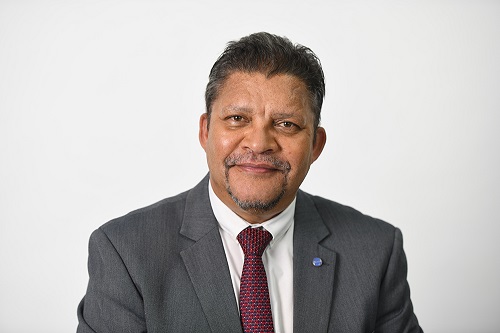
“No family should have to endure such a preventable loss. Our thoughts are with all those affected by this devastating incident,” says CESA CEO Chris Campbell.
“However, as a country, we must ask a difficult but necessary question: for how much longer will we continue to say “sorry” after lives are lost, without addressing the systemic failures that allow these tragedies to occur?”
South Africa does not lack building regulations, explains Campbell. “We have established processes, professional standards, and statutory requirements designed to protect lives. The challenge lies not in the absence of oversight frameworks, but in the consistent enforcement, public awareness, and institutional capacity required to make them work.”
When constructing even a modest building, there is a clear process that must be followed:
- Engaging appropriately qualified professionals such as architects and engineers
- Submitting building plans for approval
- Receiving formal municipal approval before construction begins
- Ensuring inspections take place during the building process.
“These safeguards exist for a reason. They are not bureaucratic hurdles, they are life-saving measures,” Campbell emphasises.
CESA believes that the issue is threefold:
- Lack of knowledge or awareness: Do property owners and developers fully understand the processes that must be followed? Has sufficient public education been undertaken to ensure this institutional knowledge is widely understood?
- Deliberate non-compliance: In some cases, there may be a conscious decision to bypass established systems and regulations, placing cost or convenience above safety.
- Capacity constraints within local government: Municipalities are responsible for reviewing building plans, conducting inspections, and enforcing compliance. Are they adequately resourced and staffed with the requisite skills to fulfil this mandate effectively? Are there enough qualified building inspectors to ensure ongoing oversight once construction begins?
“We have seen a gradual erosion of technical capacity within some, if not most, local authorities. If enforcement mechanisms are weakened, whether by understaffing, lack of expertise, or ineffective monitoring, the entire system becomes vulnerable,” adds Campbell.
He believes that South Africa does not require a wholesale review of built environment oversight structures as the regulatory framework itself is sound. What, is urgently needed is:
- Stronger enforcement of existing regulations
- Improved public awareness of mandatory building processes
- Consequence management for deliberate non-compliance
- Adequate capacitation of municipal departments responsible for plan approvals and inspections.
Accountability must extend across the entire value chain, from property owners and developers to professionals and municipal authorities, Campbell asserts.
“This tragedy must mark a turning point. The families affected deserve more than condolences; they deserve assurance that meaningful corrective action will follow. We cannot allow preventable building failures to become recurring headlines. Lives depend on a system that works and on all stakeholders honouring their responsibilities within it.
“As CESA, we stand ready to support efforts that strengthen compliance, reinforce professional standards, and restore public confidence in the integrity of our built.