On 20 May 2026, World Metrology Day, South Africa joined metrology organisations around the world in this annual observance marking the signing of the Metre Convention in Paris on 20 May 1875. The global theme for World Metrology Day 2026, Metrology: Building trust in policy making, highlights the increasingly important role of reliable measurement systems in supporting governance, regulatory certainty, economic participation and public confidence.
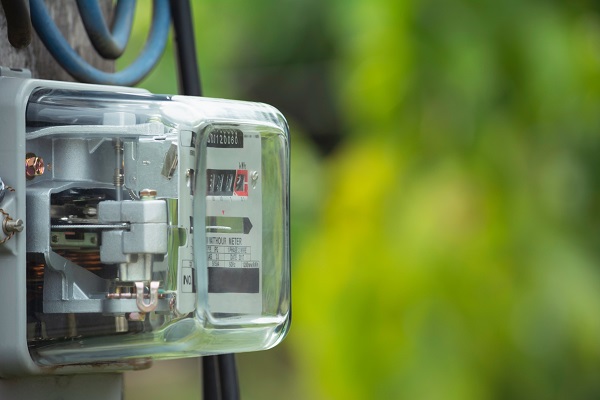
Reliable measurement forms the foundation for sound decision-making across sectors ranging from energy to environmental management, food safety, industrial production and trade.
To celebrate the occasion, the National Metrology Institute of South Africa (NMISA) and the National Regulator for Compulsory Specifications (NRCS) jointly hosted a national virtual webinar, bringing together policymakers, regulators, technical experts, academics, industry stakeholders and media to explore how trusted measurement systems support evidence-based policymaking, fair trade, consumer protection and effective regulation.
World Metrology Day commemorates the signing of the Metre Convention on 20 May 1875, when representatives of 17 nations established the framework for international collaboration in the science of measurement (metrology). The convention led to the establishment of the International Bureau of Weights and Measures (Bureau International des Poids et Mesures, BIPM), laying the foundation for a globally harmonised measurement system that supports scientific innovation, industrial development, international trade and environmental protection.
The World Metrology Day project is jointly coordinated by the BIPM and the International Organisation of Legal Metrology (OIML). South Africa participates in both organisations, with NMISA representing the country at the BIPM and the NRCS representing South Africa at the OIML.
Measurement at the centre of governance
As governments and institutions globally face increasing scrutiny regarding transparency, accountability and the integrity of information used in public decision-making, the 2026 theme places accurate measurement results at the centre of trusted governance.
Reliable measurements provide the foundation for informed policy decisions across sectors such as energy, healthcare, environmental management, infrastructure development, food safety, industrial production and trade. Measurements influence critical areas of daily life, from ensuring accurate electricity billing and fuel dispensing to supporting environmental compliance, consumer protection and public health systems.
South Africa’s institutional framework reflects this important relationship between measurement and governance. NMISA is responsible for maintaining the country’s National Measurement Standards in line with international benchmarks; the NRCS, through its Legal Metrology function, ensures measurements used in trade are verified, traceable to the National Measurement Standards compliant with national legislation, and demonstrably accurate through traceability to the National Measurement Standards.
The joint NMISA-NRCS webinar provided a national platform for dialogue around how trusted measurement underpins policy decisions and strengthens confidence in public institutions, regulatory systems, and market participation.
Discussions focused on how accurate, traceable and consistently applied measurements support:
- Evidence-based policymaking
- Fair trade and market confidence
- Consumer protection
- Energy regulation and sustainability
- Environmental monitoring and compliance
- Food safety-related regulation and policy development
- Industrial competitiveness and innovation
- Public trust in governance systems.
The virtual discussions also reflected South Africa’s active participation in regional and international metrology initiatives through organisations such as the Southern African Development Community Cooperation in Legal Metrology (SADCMEL), the Intra-Africa Metrology System (AFRIMETS), BIPM and the OIML, which collectively support regulatory harmonisation, technical cooperation and international trade facilitation.
Trusted measurement systems support transparent policy implementation, economic growth, market confidence and public trust. Legality in metrology ensures that measurements used in trade remain accurate, traceable and aligned with national and international standards.
For more information visit:
The National Metrology Institute of South Africa (NMISA)
The National Regulator for Compulsory Specifications (NRCS)