Eskom notes that the National Energy Regulator of South Africa (NERSA) has approved the amended Negotiated Pricing Agreement (NPA) framework, including an interim concessionary pricing arrangement for participating ferrochrome smelters, as Eskom submitted to the regulator on 10 April 2026. NERSA’s approval, announced 29 May, follows the public consultation and hearings held on 25 May 2026.
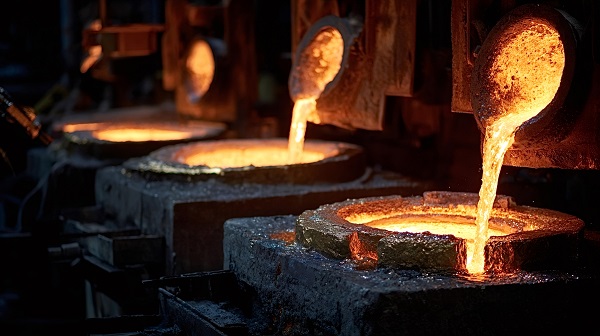
The concessionary electricity pricing framework prepared to support South Africa’s ferrochrome industry has been approved by NERSA.
While the duration of the agreements differs – five years for Samancor Chrome and three years for the Glencore-Merafe Venture – the core contractual terms, pricing mechanisms and risk-sharing conditions remain consistent and equitable across all parties. This ensures a balanced approach that avoids under-support or over-subsidisation and responds to sector-specific conditions.
The approval represents an important regulatory step in balancing industrial sustainability, electricity system stability, employment preservation, and long-term economic value creation in South Africa’s energy-intensive sectors. It reflects the outcome of extensive engagements between Eskom, government stakeholders and affected customers to address the structural challenges facing the ferrochrome industry.
Eskom recognises the broader public sensitivity regarding electricity affordability and emphasises that the approved framework has undergone a formal regulatory process, including public participation and independent evaluation by NERSA.
South Africa’s ferrochrome industry remains strategically important to the country’s industrial base, export earnings, mining value chain, and employment. The approval supports the retention of strategic industrial demand, production capacity, and associated economic activity that may otherwise face further contraction under the prevailing market conditions.
The framework provides a stabilisation mechanism taking account of Eskom’s financial position and the broader economy. It supports continued electricity demand from the sector while sustaining jobs and economic activity across the ferrochrome value chain. Retaining this baseload demand also improves system usage and helps mitigate risks associated with fixed supply obligations, contributing to overall system and financial stability.
The approved pricing framework also provides a structured and transparent regulatory mechanism for non-standard industrial pricing arrangements.
Eskom emphasises that the approved framework does not result in additional tariff recovery from standard tariff customers or taxpayers and has been structured within the regulatory parameters approved by NERSA. The revenue variance associated with the concessionary tariff is ring-fenced and cannot be recovered through future tariff mechanisms or Regulatory Clearing Account processes. The framework also requires no additional fiscal support from government and includes an equitable upside-sharing arrangement linked to market performance.
The framework is intended to reduce the risk of further industrial decline, associated job losses and the erosion of electricity demand from large industrial users, which could have broader economic and system implications over time.
Eskom further reiterates that improving electricity affordability remains a critical priority, alongside ensuring energy security. Restoring and sustaining operational performance is essential to stabilising the power system and the organisation is advancing interventions aimed at managing cost pressures and improving efficiency, with a focus on delivering long-term value to South Africans.
Eskom Group Chief Executive, Dan Marokane, further reiterates that without the success of Eskom’s turnaround over the past three years the utility would not have been in a position to support the ferrochrome industry or help prevent significant job losses. “The approval of this framework reflects a balanced approach to supporting strategic industrial capacity while maintaining Eskom’s financial and operational sustainability,” Marokane said.
Eskom acknowledges the role of the Department of Electricity and Energy, National Treasury and NERSA throughout the consultation and regulatory process.
This framework forms part of broader efforts to strengthen South Africa’s industrial base and support a balanced energy transition that protects strategic sectors of the economy.
Further details on implementation timelines and applicable commercial arrangements will be communicated directly to relevant stakeholders in line with regulatory and contractual requirements.
For more information visit: www.eskom.co.za