The City of Cape Town is piloting new anti-vandalism technologies in crime hotspots as it intensifies efforts to curb electricity infrastructure theft, which the City says has already cost more than R49 million this financial year.
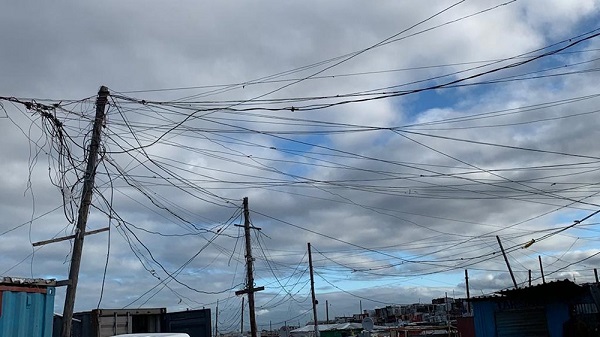
The Energy Directorate said the research-driven pilot projects are part of the City’s broader Protect Your Power campaign, which aims to safeguard critical infrastructure, improve supply reliability and reduce service disruptions across communities.
The latest intervention comes as the City continues to grapple with escalating losses and repeated damage to infrastructure. Cape Argus previously reported that more than R44.5 million had already been spent by January this year, with officials warning of an “unsustainable” cycle in which infrastructure is repaired only to be vandalised again. Service pressures are mounting, with thousands of electricity-related faults logged each month, as theft and illegal connections are cited as key drivers of outages across the metro.
Mayoral Committee Member for Energy, Xanthea Limberg, said the pilot initiatives aim to test anti-vandalism solutions in real-world conditions before wider implementation.
“The insights gained from these projects will play an important role in informing future interventions, leading to more effective and long-term solutions to protect our power infrastructure,” Limberg said.
Limberg has previously warned that the situation is “not sustainable”, noting that infrastructure is often vandalised again shortly after repair.
In the previous financial year, the City recorded losses exceeding R62 million from electricity infrastructure theft, vandalism and illegal connections, underscoring the growing financial and operational strain on municipal resources.
Officials said the pilot is part of a wider vandalism mitigation programme, which includes increased law-enforcement visibility in hotspot areas, the rollout of anti-theft technologies and the replacement of copper components with lower-value street materials to deter criminals.
The City confirmed that details of the technologies under test cannot yet be disclosed due to confidentiality agreements with private-sector partners involved in a Request for Information process.
Residents have been urged to report suspicious activity, especially when infrastructure is near homes or public spaces, to enable faster response times and limit damage.
The City said that community cooperation remains critical as it works to protect essential services and mitigate the impact of infrastructure-related crime.