
In the rapidly evolving field of office lighting, several significant advances are transforming workspaces to be more energy-efficient, comfortable, and conducive to productivity.
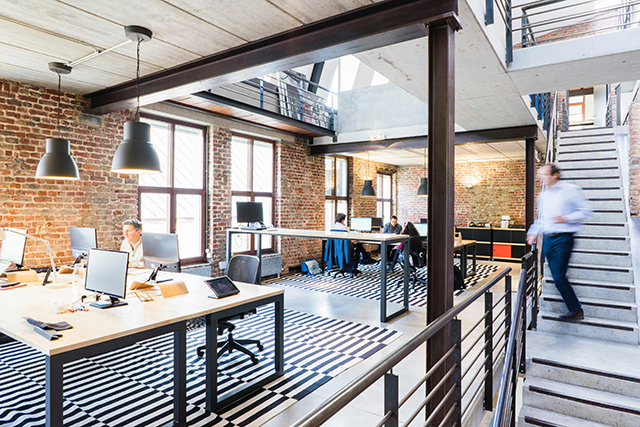
These innovations are driven by the need to create healthier and more dynamic work environments, while also reducing energy consumption and operational costs.
1. LED technology
LED lighting remains at the forefront of office lighting advancements due to its energy efficiency, long lifespan, and versatility. Modern LED fixtures offer:
- Energy savings: LEDs consume significantly less power compared to traditional lighting options such as incandescent or fluorescent lights.
- Longevity: With lifespans that can exceed 50,000 hours, LEDs reduce the frequency and cost of replacements.
- Colour temperature adjustability: LEDs can be adjusted to provide different colour temperatures, from warm to cool, enhancing the ambiance and functionality of office spaces.
2. Human-centric lighting (HCL)
Human-centric lighting is designed to align with the human circadian rhythm, enhancing well-being and productivity. Key features include:
- Circadian rhythm support: Lighting that mimics natural daylight patterns helps regulate sleep-wake cycles and improves overall health.
- Adjustable light intensity: Light intensity can be varied throughout the day to support different activities and energy levels, from focused tasks to relaxation periods.
3. Smart lighting systems
Smart lighting systems integrate with building management systems to provide dynamic, responsive lighting solutions. These systems include:
- IoT integration: Lighting fixtures that connect to the Internet of Things (IoT) enable remote control, monitoring, and automation.
- Occupancy sensors: These sensors detect the presence of individuals and adjust lighting accordingly, ensuring lights are on only when needed, thus saving energy.
- Daylight harvesting: Smart systems adjust artificial lighting based on the amount of natural daylight available, maintaining optimal light levels while reducing energy use.
4. Tuneable white lighting
Tuneable white lighting allows for precise control over the colour temperature and brightness of light sources. Benefits include:
- Customisable work environments: Users can adjust the lighting to suit specific tasks, from bright, cool light for detail-oriented work to warm, dim light for meetings or relaxation.
- Enhanced mood and productivity: Customisable lighting helps create a comfortable and motivating environment, tailored to the preferences and needs of employees.
5. Integration with building management systems
Modern office lighting solutions increasingly integrate with broader building management systems to optimise energy use and improve functionality. This integration offers:
- Centralised control: Facilities managers can monitor and control all lighting systems from a single interface, improving efficiency and maintenance.
- Energy management: Real-time data on energy consumption helps identify inefficiencies and implement energy-saving measures.
6. Sustainable lighting solutions
Sustainability is a major focus in the development of new office lighting technologies. Advances in this area include:
- Recyclable materials: Lighting fixtures made from recyclable or sustainable materials help reduce environmental impact.
- Energy-efficient design: New designs focus on maximising light output while minimising energy consumption, contributing to greener buildings.
7. Aesthetic & functional design
Modern office lighting goes beyond functionality to incorporate aesthetic and design elements that enhance the overall office environment. Innovations include:
- Architectural lighting: Creative use of lighting to highlight architectural features and create visually appealing workspaces.
- Customised fixtures: Bespoke lighting solutions tailored to specific office layouts and design themes.
Advances in office lighting are not only about improving visibility but also about enhancing the overall work environment, promoting employee well-being, and achieving sustainability goals. As technology continues to evolve, we can expect even more innovative solutions that integrate seamlessly with smart building systems, provide user-friendly customisation, and support the health and productivity of office workers. For businesses, staying updated with these advances is essential to creating a modern, efficient, and attractive workplace.
Source: www.oktra.co.uk
