Heavy Lift, a division of CFAO Equipment, reports that 95% of its business over the past 12 months emanated from equipment rentals, highlighting a strong industry trend toward flexible, capital-efficient alternatives to owning heavy lifting machinery.
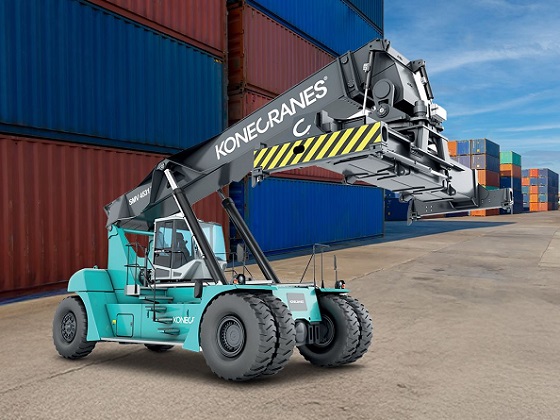
The growth of heavy equipment rental is no coincidence. Behind it is a mix of financial efficiency, operational flexibility, technological access and maintenance support that purchasing simply cannot match.
Heavy Lift National Product Specialist, Lenny Naidoo, says renting heavy lift equipment has become increasingly attractive as businesses look to avoid the complexity and cost of sourcing machinery themselves. “Nine out of ten rentals require that equipment be ordered from factories in Sweden or China, with lead times ranging from a few weeks to seven months.”
Each unit undergoes full assembly and live testing at the factory before being stripped for shipping. Heavy Lift then manages the transport and final assembly, ensuring customers receive fully operational units without logistical burdens.
Long-term rental options, typically 36, 60 or 72 months, allow customers to secure fixed rates while maintaining the ability to upgrade, modernise or downscale at the end of the contract period. Short-term rentals, from one to 24 months, remain in high demand, particularly for 16- and 18-ton forklifts which form the core of Heavy Lift’s short-term fleet.
“With new equipment requiring a large up-front investment, rental provides customers with predictable cost management and the freedom to adjust their fleets as business conditions change,” says Naidoo.
All rental agreements include a comprehensive maintenance contract. Heavy Lift performs full inspections before delivery and again with the customer when the contract concludes. Equipment is serviced every 250 hours or every three months, ensuring safety, performance and minimal downtime, even during quieter operational periods.
Rental customers benefit from access to the latest lifting technologies. At contract renewal, businesses can upgrade to more advanced models or update their existing units, staying current without major upfront investment.
As many depots move away from keeping idle equipment on-site, rental provides a more sustainable approach to asset management. Companies can scale their fleet up or down based on workload, improving capital efficiency and reducing unused equipment.
Naidoo says rental demand remains steady throughout the year because it reflects how customers operate. “When workloads increase, they can scale up quickly. When business slows, they can avoid the financial burden of owning costly machinery.”
For companies operating in sectors such as container handling, warehousing and industrial logistics, the case for rental has never been stronger. As industries continue to navigate shifting logistics demands, renting heavy lift equipment has emerged as not only a cost-effective choice, but a strategic one.