While smart technologies and sleek fittings often steal the spotlight in modern electrical systems, it's the unseen essentials that do the heavy lifting, keeping people, property, and systems safe. Among these, earthing, lightning and surge protection, and the often-underappreciated world of cables and cable accessories, form the foundation of every reliable installation, according to Voltex.
 Let’s start with earthing. It’s not the most glamorous part of an installation, but it’s arguably the most important. A proper earth connection ensures that, in the event of a fault, current has a safe path to dissipate. This protects both people and equipment. Poor or inadequate earthing is a silent risk. It doesn’t make noise, but when something goes wrong, the consequences can be devastating. Whether you’re wiring a home or a high-rise building, correct earthing isn’t optional. It’s the base layer of every safe system.
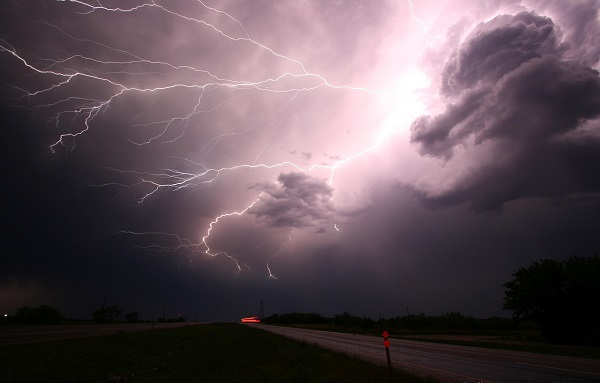
Now consider that in a country like South Africa, where summer storms are fast, frequent, and often ferocious, lightning and surge protection must never be treated as an afterthought. A direct or indirect lightning strike can send a surge powerful enough to fry appliances, damage infrastructure, and bring operations to a standstill. Proper surge protection devices (SPDs), installed at the right points in the system, act as gatekeepers. They absorb and redirect these harmful spikes. When paired with a solid earthing system, they provide a strong line of defence against the unpredictable.
Moving on to cables – the veins and arteries of any electrical setup. High-quality cable is about more than copper and insulation. It’s about long-term performance, fire resistance, ease of installation, and the confidence that what’s behind the walls is just as solid as what’s in plain sight. Equally important are the accessories – lugs, glands, saddles, ties, and sleeves. These small components are often left until last, but using the wrong product can compromise the entire installation.
A professional finish doesn’t end at the distribution board or the faceplate. It’s the tidy cable runs, the correctly sized lugs, and the well-earthed surge protection that reflect a job done properly.
In the end, good electrical work is about more than just getting the power on. It’s about keeping it on – safely, efficiently, and reliably. And that all begins with what’s happening behind the scenes.