Managing electrical usage efficiently contributes to cost saving, as well as promotes sustainability. Here are strategies and tips from electrical distributor ACDC Dynamics that are easy to implement and will make electrical usage more manageable:
1. Conduct an energy audit
This is the perfect starting point. By going through this process and assessing your current energy consumption, you can identify areas where energy is being used inefficiently. This can include outdated appliances, drafty windows, or even inefficient lighting systems.
2. Upgrade to energy-efficient appliances
Consider replacing old and damaged appliances with newer, energy-efficient models that perform to a higher standard. Look for the rating information when purchasing new devices, as these are designed to consume less energy while maintaining performance. This is thanks to new technology and more efficient performing designs.
3. Switch to LED lighting
This is something you have probably started implementing without even realising as LED lights are the new standard. Replace any traditional incandescent lightbulbs with energy-efficient LED options that consume less energy and have a longer lifespan, which reduces the frequency of replacements.
4. Unplug devices when not in use
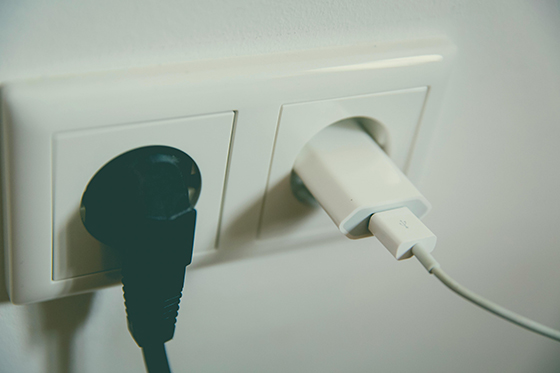
Some electronic devices continue to draw power even when they are turned off. Unplug chargers, electronics and appliances when they are not in use, or use smart power strips to easily cut off power to multiple devices at once. This can also be managed via smart devices and switches that can be controlled via smartphone app.
You can also utilise smart home devices such as smart thermostats, smart lighting and smart plugs, to automate and control your home’s energy usage. These devices can be programmed to optimise energy consumption based on your preferences and schedule.
5. Regular maintenance
Keep your appliances and HVAC systems well-maintained. This includes regular servicing, cleaning filters, coils and vents to ensure optimal performance – dirty or clogged components can lead to increased energy consumption.
6. Optimise heating & cooling
Properly insulate your home to reduce the need for excessive heating in winter or cooling during summer. Use programmable heating systems and air conditioning to regulate temperature efficiently, adjusting the units when you are away.
Ensure that your home is well-sealed to prevent drafts. Weatherstrip doors and windows also help minimise heat loss or gain, reducing the workload on your heating and cooling systems.
7. Install a solar system
Consider investing in solar panels and a photovoltaic (PV) system to generate your own electricity. While this may involve an upfront cost, it can lead to long-term savings and reduce your reliance on the grid.
If feasible, consider investing in energy storage solutions such as batteries. This allows you to store excess energy generated during low-demand periods for use during peak times or during outages.
Also buy quality brands and products that will ensure correct operation and performance. Inverter battery systems with adequate storage functionality will also allow for better management of power that has been generated during solar harvesting.
The best way to manage your electrical consumption is to maintain overall control of the system. You need to know every little detail, which then allows you to foster a culture of energy conservation within your household. This includes encouraging family members to turn off lights and appliances when not needed, as well as introducing upgrades and control methods that assist in efficiency.
Enquiries: www.acdc.co.za