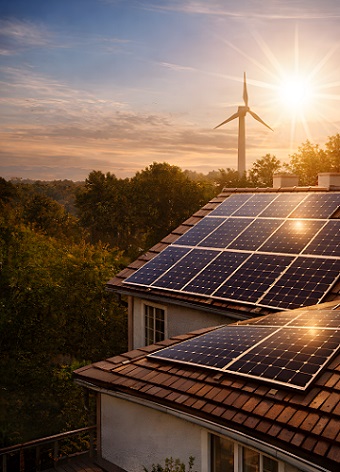
Solar energy and energy efficiency are no longer fringe conversations reserved for early adopters. They are now central to how homes, businesses, and municipalities plan for resilience, affordability, and sustainability, according to Voltex. In today’s climate of rising energy costs, grid constraints, and environmental accountability, the way we generate and use power matters more than ever.
 South Africa’s energy landscape has forced consumers to become more energy literate. True progress lies in pairing renewable energy with smarter, more efficient electrical infrastructure. This is where modern electrical design, quality components, and future-ready thinking come into play.
Energy efficiency begins at the distribution point. Well-designed distribution boards, correctly rated protection devices, and intelligently planned circuits ensure that power is delivered safely and with minimal losses. As solar installations become more common, DBs are evolving to accommodate bidirectional power flow, battery integration, and surge protection that can handle increasingly complex systems. A poorly specified board can undermine even the most advanced solar setup.
Equally important is what happens at the endpoint. Switches, sockets, and control systems are no longer passive accessories; they are active contributors to energy management. Smart switches, timers, and occupancy sensors reduce unnecessary consumption, while robust sockets designed for modern loads improve safety and longevity. When efficiency is designed into everyday touchpoints, energy savings become effortless rather than behavioural.
For installers, electricians, and specifiers, this shift demands a higher standard. Products must not only comply with regulations but also support the realities of modern living: home offices, electric vehicles, backup power, and decentralised generation. Reliability is non-negotiable because in a world that depends on uninterrupted connectivity and productivity, electrical failure carries real economic and social costs.
Voltex’s role in this evolving ecosystem is to support the industry with solutions that balance innovation, compliance, and practicality. From solar-ready distribution equipment to durable wiring accessories, the focus is on products that perform today while remaining adaptable for tomorrow. Energy efficiency is not achieved through a single product or technology, but through systems that work together seamlessly.
Looking ahead, the conversation around energy will only intensify. Carbon reduction targets, cost pressures, and technological advances will continue to shape how power is generated and consumed. The opportunity lies in designing electrical systems that are efficient by default, resilient by design, and scalable for future needs.
Solar energy may be the headline, but efficiency is the quiet enabler that makes the transition sustainable. By investing in quality electrical infrastructure now, we are not just keeping the lights on; we are building a smarter, more secure energy future for generations to come.