Battery energy storage is critical to stabilise SA's energy future.
Last year, Spain and Portugal lost up to 60% of their electrical power in mere seconds. The underlying issues exposed tensions between traditional grid infrastructure and the future of the energy sector. It's crucial that SA avoids a similar grid crisis, and battery energy storage systems (BESS) are vital for that transition.
SA's renewables revolution
South Africans are very accustomed to energy challenges. When local power plants couldn't meet increasing demand, the country implemented an energy management strategy called load shedding, which periodically restricted access to electricity.
Eventually, both the public and private sectors started investing in renewable energy sources, and the results have been truly remarkable.
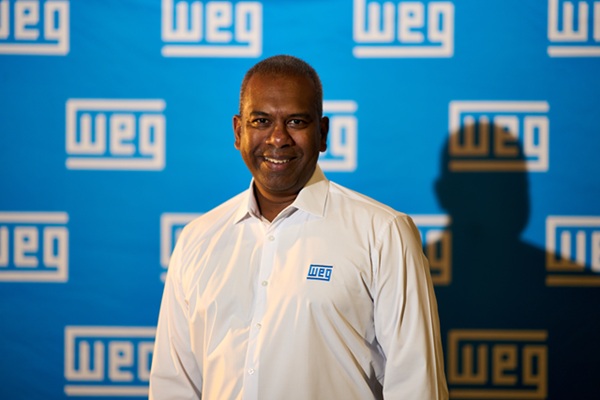
Last year, SA had 8.97 GW of solar PV capacity, 11% higher than in 2023, according to the South African Photovoltaic Industry Association (SAPVIA). Looking back, the shift seemed almost inevitable, says Pervin Gurie, Director of the Digital & Systems Division at WEG Africa.
Sunlight is a valuable natural resource for South Africa. Although it required an energy crisis to develop a significant energy industry around it, we are already gaining major benefits such as reducing load shedding, enhancing energy independence, and supporting economic growth.
However, this revolution is just beginning, and there is now an additional concern that requires our attention, Gurie adds. "With capacity increasing, there are now more questions about access to power reserves and grid stability."
The stability and access question
In late April 2025, parts of Spain and Portugal faced widespread power outages. The causes of these blackouts remain under discussion, but the common view is that the grid generated excess electricity. Critics used the outages to criticise renewables, blaming them for causing instability.
But experts soon dismissed these claims and pointed out that the event rather highlighted how traditional grid designs are struggling to keep up with energy innovations. Xavier Daval, Chair of the Solar Commission at the French Renewable Energy Association, wrote in PV Magazine that the issue was due to grid codes causing inverters to disconnect when there are frequency changes in the grid. He stated that grids need to be redesigned and added that "blaming renewables for Spain's blackout is like faulting the thermometer for the fever."
Gurie states that the above situation highlights the need for grids to keep pace with energy innovation.
"An abundance of energy can create issues, but it's a good problem to have. The events in Spain and Portugal highlight the importance of balancing generation with demand. It's a reminder that our approach to energy distribution needs to evolve. This shift in perspective has made battery energy storage systems more relevant.
Stability through battery storage
Energy storage is a fundamental element for stabilising and upgrading grids, and Battery Energy Storage Systems (BESS) are increasingly vital in achieving these goals.
BESS are large battery systems that connect to local grids, including public utilities, large business premises, and community substations. They store energy for later use, such as during peak times when grid power becomes more expensive, or to supply power when there is insufficient sunshine or wind to drive renewables.
BESS infrastructure eases pressure on grids, allowing them to adapt and upgrade without interrupting energy supply to communities and businesses. BESS helps reduce peak loads and overall grid stress. These systems enable companies to perform energy stacking—generating and storing energy when it's cheapest, using the stored energy on demand, and transmitting energy into the grid,
The range of BESS solutions supports everything from small to utility-scale sites and also caters to industries including mining, agriculture, light and heavy industrial, and commercial sectors. These enable large individual businesses, commercial and industrial parks, and entire communities to store and access power reliably without straining the national grid.
But BESS is more than just storage—it's a pathway to modern energy technologies. BESS solutions incorporate Industry 4.0 technologies that modernise energy operations. For example, leading BESS vendors such as WEG also offer digital power management systems to increase control, visibility, and automation of energy systems.
Stabilising the future's energy supply
The abundance of renewables is replacing South Africa's energy shortages. However, this abundance could be wasted or even cause damage if it cannot be stored and managed properly. The energy infrastructure and operations must be modernised and upgraded. Gurie emphasises that BESS will play a crucial role in this process.
Batteries are not just storage; they are the building blocks of our modern energy foundation. They help us develop the capacity to generate cheap and abundant energy. Now, we will begin investing in ensuring that this abundance consistently meets our needs. BESS is a key part of that investment.