Durban is moving forward with plans to construct a massive 400MW artificial intelligence data centre in collaboration with a South Korean energy consortium. This facility would become the largest digital data centre in South Africa, potentially consuming up to 25% of Durban’s existing electricity supply.
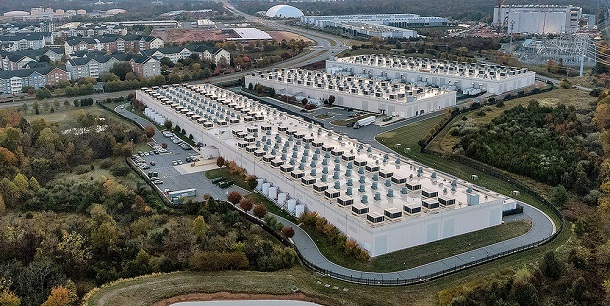
Despite concerns from Democratic Alliance councillors, the eThekwini Municipality has agreed to sign a binding memorandum of agreement with the South Korean consortium to build the new AI data centre south of Durban.
An official report to the city’s economic development and planning committee estimates the new centre will cost between $3-billion and $10-billion as a public-private partnership. The city will provide land and infrastructure, while the South Korean company will cover the construction and operational expenses.
The planned 5-hectare site is located at the mouth of the Lovu River, near the Amanzimtoti Cable Landing Station. This station connects to the 45,000 km² Africa submarine cable system, which circles Africa and links the continent to Europe, the Middle East, and India.
While the city report notes that AI data centres are “resource-intensive,” it does not specify how much electricity and cooling water this new facility will use compared to other customers, nor does it disclose the source or cost of these utilities.
Last year, the city confirmed that the current electricity demand from all eThekwini municipal customers is about 1,600 MW.
The city’s seven-page report refers twice to a data centre capacity of 400 MW, indicating that a facility of this scale would use about a quarter of Durban’s current electricity supply.
eThekwini has declined to answer questions regarding the power requirements of the new centre and the source of its electricity.
Instead, the city issued a general press release stating: “Any figures currently circulating publicly, including specific megawatt estimates, should not be regarded as confirmed project specifications.”
At 400 MW, this project would become South Africa’s largest data centre, far surpassing Teraco’s 70 MW Isando data campus in Johannesburg. Last year, the Cavaleros Group also announced plans for a 360 MW data campus in Cape Town and a 200 MW centre near Pretoria.
The city’s briefing document briefly mentions that electricity for the new Durban data centre could come from “existing renewable energy resources” owned by the development partner.
However, neither eThekwini nor the Korean companies have specified where these renewable energy sources are located. If the power is sourced from wind or solar, there has been no explanation of how the centre would manage supply fluctuations, especially at night or during periods of low wind, given its need for reliable 24/7 electricity.
This uncertainty raises questions about how much electricity the data centre would need to draw from Durban’s existing power grid.
As Durban moves ahead with this ambitious project, the city faces both significant opportunities and challenges. If managed carefully, the new data centre could position Durban as a major technological hub in Africa, attracting investment and fostering innovation. However, concerns about energy consumption, sustainability, and transparency must be addressed to ensure the development benefits the city and its residents in the long term.