As the lighting industry moves rapidly into 2026, one trend is no longer emerging; it is firmly established. Smart lighting has shifted from a “nice-to-have” innovation to a standard expectation across commercial, industrial, and public-sector projects, according to the Illumination Engineering Society of South Africa (IESSA).
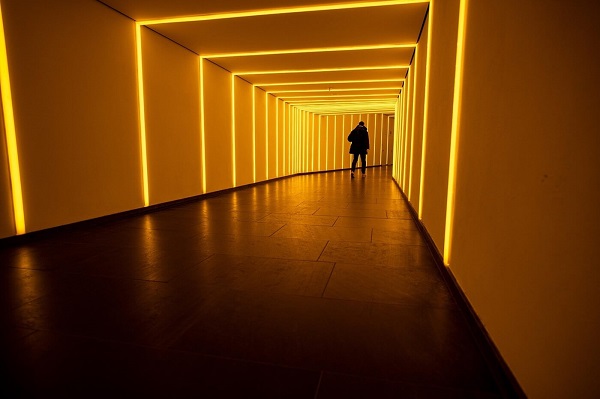
Driven by advances in AI, IoT integration, and sensor-driven systems, smart lighting is reshaping how lighting is designed, installed, managed, and maintained. For lighting professionals, staying competitive now means understanding these technologies and adapting to a more connected, intelligent lighting ecosystem.
What is smart lighting?
At its core, smart lighting refers to lighting systems that use digital technologies to operate more efficiently, intelligently, and responsively than traditional lighting solutions.
Smart lighting systems typically combine:
- Connected luminaires;
- Sensors (motion, occupancy, daylight, temperature);
- IoT-enabled controls; and
- Data analytics and AI-driven software platforms.
These systems allow lighting to automatically adjust based on real-time conditions, such as occupancy, available natural light, time of day, or usage patterns – without manual intervention.
Rather than functioning as isolated components, smart lighting systems are often integrated into broader building management systems (BMS), smart cities infrastructure, or energy management platforms.
Why smart lighting is now standard practice
Several forces have accelerated smart lighting from innovation to expectation:
- Energy efficiency and sustainability mandates
Governments, municipalities, and private developers are under increasing pressure to reduce energy consumption and carbon emissions. Smart lighting enables:
- Lower energy use through adaptive dimming and scheduling;
- Better compliance with energy efficiency standards; and
- Measurable sustainability outcomes.
In many projects, traditional “on/ off” lighting simply no longer meets compliance or ESG requirements.
- Advancements in AI and IoT technology
The rapid maturity of AI and IoT has made smart lighting:
- More reliable;
- More affordable; and
- Easier to deploy at scale.
AI-driven systems can now learn usage patterns, predict maintenance needs, and optimise performance automatically, turning lighting into a data-driven asset rather than a fixed cost.
- Smarter buildings and public spaces
From offices and retail environments to transport hubs and city streets, lighting is now expected to:
- Enhance user comfort and safety;
- Support productivity and wellbeing; and
- Integrate seamlessly with smart building and smart city strategies.
Lighting is no longer about illumination; it’s about experience, intelligence, and connectivity.
Benefits of smart lighting for the lighting industry
The rise of smart lighting brings significant opportunities for industry professionals, manufacturers, designers, and installers.
New revenue streams
Smart lighting opens the door to:
- Value-added services;
- System monitoring and maintenance contracts; and
- Software, analytics, and upgrades.
The industry is shifting from once-off installations to long-term solutions and partnerships.
Increased project value
Projects that incorporate smart lighting:
- Deliver higher performance outcomes;
- Offer measurable ROI for clients; and
- Future-proof infrastructure investments.
This elevates the role of lighting professionals from suppliers to strategic contributors.
Skills development and industry growth
As systems become more intelligent, the demand grows for professionals who understand:
- Digital lighting controls;
- Data and systems integration; and
- AI-enabled lighting platforms.
This evolution creates opportunities for upskilling, specialisation, and industry leadership.
Staying ahead of the curve with IESSA
As smart lighting becomes standard practice, industry knowledge and collaboration are more important than ever. This is where IESSA plays a critical role.
By becoming a member of IESSA, professionals gain:
- Access to industry insights and emerging trends;
- Opportunities for knowledge-sharing and professional development;
- Engagement with peers, suppliers, and thought leaders; and
- A platform to stay informed as technology, standards, and best practices evolve.
IESSA supports its members in navigating industry change, ensuring they are not only aware of what’s next but prepared to lead it.
Looking ahead to 2026
Smart lighting is no longer about the future; it is the present standard shaping the lighting industry in 2026 and beyond. AI-driven, connected, and sensor-enabled systems are redefining how lighting delivers value across every sector.
For lighting professionals, the question is no longer whether smart lighting will become standard practice, but how quickly they will adapt.