Sustainability is no longer a peripheral concern in the lighting industry; it is central to how lighting is designed, specified, and evaluated, according to Aurora Lighting Africa. As Africa faces rapid urbanisation, growing energy demand, and increasing pressure on infrastructure, lighting choices carry significant environmental consequences. The industry now has both an opportunity and a responsibility to reduce its footprint while supporting economic growth and social development.
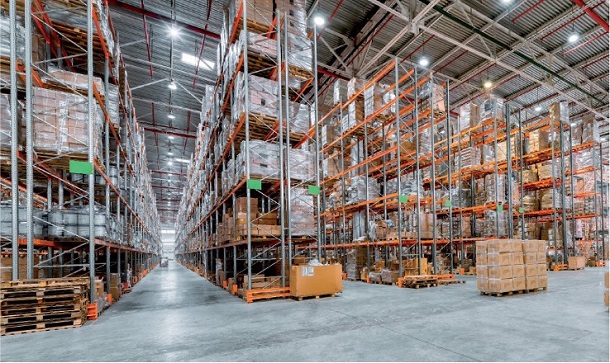
Lighting accounts for a substantial portion of global electricity consumption, particularly in commercial, industrial, and public spaces. In many African countries, where energy generation still relies heavily on fossil fuels and grid stability remains a challenge, inefficient lighting directly contributes to higher carbon emissions and resource strain. The transition to LED technology has therefore been one of the most impactful sustainability shifts in recent decades. LEDs consume significantly less energy than traditional light sources and deliver the same or better illumination with far lower environmental cost.
However, true sustainability in lighting goes far beyond energy efficiency. Product lifespan and durability are critical factors. A luminaire that fails prematurely negates many of the environmental gains achieved through reduced power consumption.
Frequent replacements increase waste, transportation emissions, and resource extraction. Designing lighting systems that can withstand harsh operating conditions – heat, dust, voltage fluctuations, and long burn hours – is essential, particularly in African environments.
Another often-overlooked aspect of sustainability is material use and end-of-life management. While LEDs last longer, they are also more complex products, incorporating electronic components that require responsible disposal. The industry must continue to improve recyclability, reduce hazardous materials, and design products with circular economy principles in mind. Sustainable lighting should consider the entire lifecycle – from raw material sourcing to manufacturing, operation, and eventual disposal.
Light pollution is also an environmental issue gaining increased attention. Over-illumination and poorly designed outdoor lighting disrupt ecosystems, affect human health, and waste energy. Thoughtful lighting design using appropriate light levels, optics, and controls can significantly reduce unnecessary spill light while maintaining safety and visibility. Adaptive and smart lighting technologies allow illumination to respond to real-world conditions, dimming or switching off when not needed and further reducing environmental impact.
Sustainability is not only about protecting the planet; it is also about creating long-term value for communities and businesses. Efficient, well-designed lighting reduces operating costs, improves safety, and supports productivity, while lowering strain on national power systems. For municipalities and large-scale developments, sustainable lighting contributes to resilient infrastructure that can serve growing populations without escalating environmental damage.
At Aurora Lighting Africa, sustainability is viewed as a practical commitment rather than a marketing slogan. This means prioritising quality, designing for longevity, and ensuring products are fit for purpose in real-world conditions. It also means working closely with clients to deliver solutions that balance performance, cost, and environmental responsibility.
As Africa continues to build cities, expand industry, and modernise public infrastructure, lighting decisions made today will shape environmental outcomes for decades. By embracing sustainable lighting practices now, the industry can play a meaningful role in reducing emissions, conserving resources, and supporting a more resilient future.
Sustainable lighting is not about compromise. It is about making smarter, more responsible choices that benefit both the environment and the people who rely on it every day.
As Scylagh Clunnie, managing director of Aurora Lighting Africa, notes: “Sustainability is not achieved by simply specifying an efficient light source. It comes from designing and selecting products that last, perform consistently in challenging conditions, and minimise waste over their entire lifecycle.”
Enquiries: info@aurora-africa.com