The 9th annual PGMs Industry Day, held in Johannesburg last month was an opportunity for industry players – producers and users of platinum-group metals (PGMs) - investors and analysts to come together to tackle challenges currently faced by the PGMs sector at the same time as to look at opportunities.
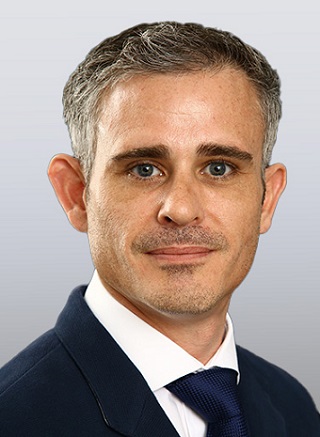 New, complex geopolitical dynamics, the growth of green energy and electric vehicles (EVs), and ongoing policy uncertainty in South Africa were not enough to dampen the overall cautious optimism of the discussions, according to SRK Consulting (South Africa) partner and principal engineering geologist John Stiff.
“What was very much in evidence was the new spirit of collaboration that we have seen previously in the gold sector, but not so much in PGMs,” he said.
“Camaraderie between formerly competitive companies and the exploitation of operational synergies between contiguous mines demonstrate the evolution of thinking in the sector.”
Sector buoyancy despite development bottlenecks
A deterrent for investors in the sector is the uncertainties that remain in the Draft Mineral Resources Development Bill, which have resulted in under-investment in exploration due to weakened investor confidence and delays to new mining projects, creating bottlenecks in the industry.
“Delays in implementing South Africa’s mining cadastre and continued instability of power supply are also contributing factors to the challenges facing the sector,” explained SRK Consulting (South Africa) partner and principal engineering geologist James Dutchman. The Minerals Council South Africa continues to engage government to unlock these bottlenecks and provide clarity on legislation going forward.
However, he says, given there is little appetite for greenfield projects, despite potential new entrants into the market, and the long-term view for increased PGM usage, it is the optimisation of existing platinum operations that is keeping the sector buoyant.
Palladium, hydrogen in the mix
A tailing-off in EV popularity in favour of hybrid models, making the internal combustion engine (ICE) relevant again, is positive for the platinum sector. With hydrogen fuel cells and China’s widespread adoption of hydrogen technology as an additional driver of the overall PGMs basket price, producers are justifiably bullish about the role of green technologies in the sector, said Marcin Wertz, partner and principal mining engineer at SRK Consulting (South Africa).
“Growing usage is going to require approximately seven million ounces of platinum production per annum by 2040 to meet demand,” he added.
Also, part of the PGMs basket is palladium, and South Africa is home to some of the world’s largest deposits. Used in solar-powered technology and microelectronics, among other applications, increasing palladium mining capacity was part of discussions at the event, and part of the sector’s good story to tell.
Transformation in the sector is significant
In the South African context, it is important to note the significant contribution that the PGMs sector makes to employment statistics, being responsible for the creation of 470 000 direct jobs in the country. In addition, women have 20% representation in the sector, one of the highest, in comparison to many other related and non-related industries. This demonstrates the commitment of mining operators to environment, social, and governance (ESG) goals and targets and the part they play in the fabric of South Africa. These successes, along with early research and development (R&D) projects, improved efficiencies and more effective risk management policies and procedures, which are all part of the positive sentiment that came out of the industry day event.
Plugging the skills deficit gap
The paring down of many in-house functions in PGMs operations in South Africa, combined with an overall mining skills deficit, makes the role of consultants such as SRK imperative for the future of the sector.
“Ensuring the safety and efficiency of mining operations through the lifespan of a mine and providing independent reports for investors comprise a large part of our work,” said Wertz. “Our international expertise enables us to take a balanced view of the PGMs mining sector in the SADC region, taking into account global volatility and local and wider challenges,” he added.
“The presentations, discussions and conversations during this industry event have a direct impact on relationships, operations, and outcomes in the sector,” said Dutchman.
He noted that South Africa is a significant source of PGMs, with the Platreef project projected to become one of the world’s largest and lowest-cost PGMs producers when it reaches full capacity.
“The importance of South Africa’s role in the global supply of PGMs cannot be understated, which makes events such as the PGMs Industry Day even more relevant,” Dutchman concluded.