Asbestos remains one of the most common challenges in heavy industrial demolition. Despite being banned in South Africa, it is still present in countless older plants, facilities and mining structures. The safe identification, handling and disposal of asbestos-contaminated material requires not only specialist licensing, but also a disciplined approach to engineering, safety and environmental management.
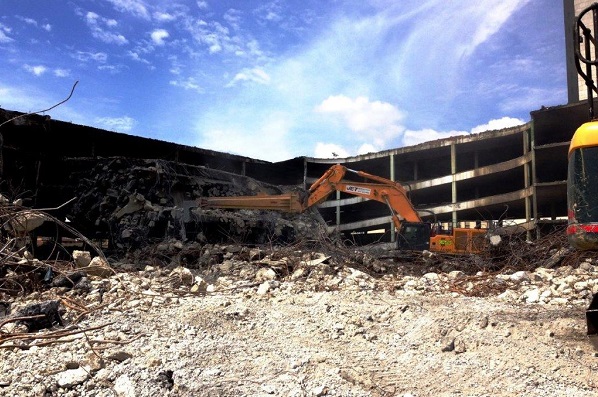
Jet Demolition has built extensive experience in asbestos abatement across multiple industries, incorporating the process seamlessly into their turnkey demolition services. “Our approach is to assess each site individually and implement the most appropriate methodology,” explains Contracts and Project Manager Kate Bester. “Whether it involves roofing, buried piping, insulation or contaminated soils, we ensure the removal is undertaken in strict compliance with regulations.”
Asbestos is often hidden in unexpected areas of ageing infrastructure. By addressing it upfront, Jet Demolition reduces health risks, streamlines demolition and prevents costly delays. Some of the biggest and oldest industrial and mining facilities were built at a time when asbestos use was widespread, making abatement both technically demanding and time-sensitive.
Depending on the application, Jet Demolition employs a combination of wet and dry removal techniques, as well as encapsulation where direct removal is not immediately practical. Decontamination units are deployed on site to protect both workers and the surrounding environment, while occupational hygienists monitor exposure levels throughout the process.
“The risks associated with asbestos cannot be underestimated. That is why we invest in training, equipment and monitoring at every stage of a project, and adopt methods that do not increase the risk of airborne fibres,” adds Bester.
Some of the oldest industrial facilities still in operation today were built and maintained when asbestos use was commonplace. Gaskets, seals and insulation is widespread. Hazardous materials are often embedded throughout these sites, making abatement both technically demanding and time-sensitive. While legislation sets strict standards for safe removal and disposal, the sheer scale and complexity of these facilities place even greater responsibility on professional contractors to uphold best practice.
Jet Demolition’s capability to manage hazardous materials alongside large-scale demolition demonstrates the company’s comprehensive, engineering-driven approach. In doing so, it ensures that the removal of outdated industrial infrastructure not only advances new development, but also safeguards the well-being of workers and surrounding communities.