By: John Sisay, CEO of Ongopolo Mining
With some of the world’s largest unexplored reserves of lithium, copper, and uranium, Namibia’s mineral resources are essential in our net-zero carbon world. Though this is also true for other countries in the region, such as South Africa and Zimbabwe, what sets Namibia apart is its government’s sustainability driven mining regulation and reliable energy supply. The combination of rich deposits, power that stays on, and forward-thinking policies create fertile ground for investment.
Namibia should serve as a model for other African countries. The blend of resource protection, progressive regulation, environmental consciousness and community engagement forms the recipe for drawing foreign investment into Africa’s mining sector. This not only cultivates growth within the nation and the wider region but also solidifies Namibia’s standing as a regional leader in this context.
What makes lithium, copper and uranium, among Namibia’s other mineral resources, the minerals of the future? Lithium and copper are key components in the production of items powered by electricity – from electric vehicles to wind turbines. They are also key components in the production of items that are increasingly central to the global energy transition; while uranium is the fuel most widely used to generate nuclear power. As global demand for renewable energy technologies and high-tech appliances grows, these minerals are becoming increasingly critical. Despite a temporary market downturn, the future trajectory points towards a significant rise in demand. By 2025, renewables will provide 10 799 TWh per year - 35 per cent of total global electricity demand.
Namibia appears to be the next hotspot for the African gold rush; however, there are still significant changes required to grasp the opportunity ahead. To realise the sector’s full potential, substantial investment is needed in production and smelting infrastructure for green mineral extraction to keep up with regulations and global demand.
Mining has long been a cornerstone of Namibia’s economic landscape. Since the passage of the Minerals Act, thirty years ago, the government has played a central role in the industry, growing to the heights it has reached today. And this is no coincidence.
Mining makes up 10% of Namibia’s GDP every year, serving as a key source of foreign exchange revenue. The sector plays a pivotal role in job and wealth creation and has consistently demonstrated robust and steady growth. Indicatively, the mining share of Namibia’s GDP grew from $6.35 billion in the first quarter of 2023 to $6.62 billion in the second quarter.
This share of GDP is set to grow further with Namibia’s decision to ban the export of unprocessed ore. The move is a crucial turning point for the economic trajectory of the country – turning it from an exporter to a producer. The regulation promotes local processing facilities, improving economic prospects for Namibians.
Despite how the market reacted initially, the policy stands as a model for sustained success and other African countries are following suit. By processing minerals locally, not only is a larger share of the value chain captured, but it also drives growth in related industries such as manufacturing, technology, and renewable energy. Producing products as close to the source as possible will reduce mining’s carbon footprint and boost processing, allowing communities to retain more of the gains from extraction. It’s not about mineral protectionism, rather protecting Namibia’s future.
Sustaining copper prices at or above $10 000 per ton is also crucial to address the rising worldwide demand, driven by the transition to electrification and cleaner energy sources. Keeping prices at a level encourages investment and incentivises production. Namibia’s newly implemented beneficiation policy positions the government as a price stabiliser, thereby playing a vital role in long-term strategic planning. This active involvement is designed to protect the local market, attract investments, and address market volatility.
Namibia’s mining sector is intricately linked to international commodity markets – particularly prices of richly endowed commodities including diamonds, uranium, copper and zinc. Forward-thinking investors willing to commit significant capital expenditure stand to gain the most from Namibia’s abundant resources.
The government’s efforts to offer incentives for mining, including prompt VAT reimbursements and a transparent – soon to be totally digitised – licensing system, demonstrate a dedication to fostering growth and ensuring lasting resilience. 2023 was a turning point in the local industry, and Namibia is positioning itself to become the next Zambia over the coming decade.
To do so, a robust workforce is needed. Namibia has faced less of a brain-drain than its neighbouring countries; however, there is a skills gap to be filled to properly resource the growing mining industry. The ban on unprocessed exports alongside public/private skills-training initiatives, will create employment opportunities for the local population and encourage skilled workers to stay within the country. In essence, the government’s policies ensure that mining does not only extract wealth but also adds value – deepening the economic impact.
Namibia’s commitment to mining practices that align with environmental, social, and governance (ESG) standards is instrumental in solidifying its position as a power player of the green transition. How the government views these policies as essential pillars for success in a contemporary mining economy, rather than as discretionary measures, is what sets Namibia apart regionally.
Community engagement, environmental conservation and social responsibility are a business imperative for Namibia, not just a compliance measure. There is widespread recognition of the business potential emerging from engagement in these areas, and the government is proactively responding to capitalise on them through regulation.
These policies exhibit notable strengths, such as a consolidated and extensive geological database to uphold environmental standards along with provisions that incentivise mining companies to prioritise the employment of Namibians, focusing specifically on women and individuals who have faced historical disadvantages. This strategic approach streamlines enforcement and enhances security for investors.
From policy to people to profit, Namibia’s mining sector is a compelling and attractive destination for investment. Its legislative and political environment stand out as the primary differentiators, with available reserves following closely. Namibia has a solid historical standing as one of the safest countries in Africa, and this stability and low political risk make the country desirable to foreign investors.
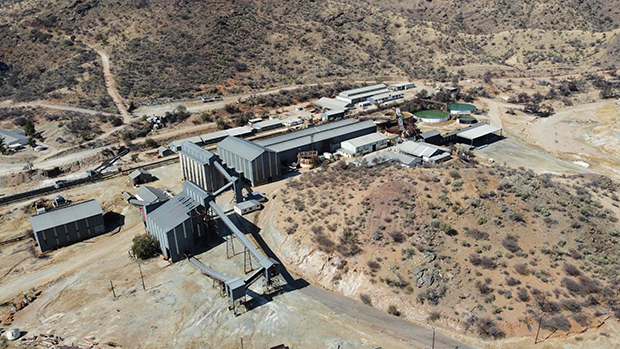
Namibia’s mining landscape is marked by the successful implementation of substantial projects such as the Husab Uranium Mine and the Twin Hill Gold Projects. Not to mention Ongopolo Mining, my company’s copper exploration just outside of Windhoek and in Tsumeb. These ventures highlight the country’s appeal for mining investments and underscore the effective integration of its infrastructure. Namibia stands as a testament to the synergistic relationship between ambitious mining projects and the supportive foundation provided by the nation’s infrastructure, solidifying its position as an attractive mining hub.
The country boasts excellent roads, ports, and a growing solar power grid which, combined with its educated workforce, make it an ideal location for mining investment. To fully unlock the sector’s potential, Namibia is proactively directing new investments towards areas where it has gaps, particularly in the development of production and smelting infrastructure for sustainable minerals such as copper and other crucial components for the electric transition. To truly catalyse this opportunity and prepare for upcoming global demand for green-transition minerals, an upswing in foreign investment is needed.
Namibia should serve as the model for other African countries. Through progressive regulation that allows Namibians to profit from their country’s resources, protects their land and water supplies, and empowers workers and communities, Namibia’s government has created a recipe for drawing foreign investment into Africa’s mining sector. This not only cultivates growth within the country and the wider region but also solidifies Namibia’s standing as a regional leader. This is addition to prompt VAT reimbursements and the ability to secure a mining license in a timely manner. Investors would do well to recognise and capitalise on the opportunity, before they miss the boat.