


According to Sonia Pretorius, National Sales Manager at 600SA, a division of CFAO Equipment SA, effective waste management is crucial for a clean country. It is vital when you consider SA generates an estimated 122 million tonnes of waste annually.
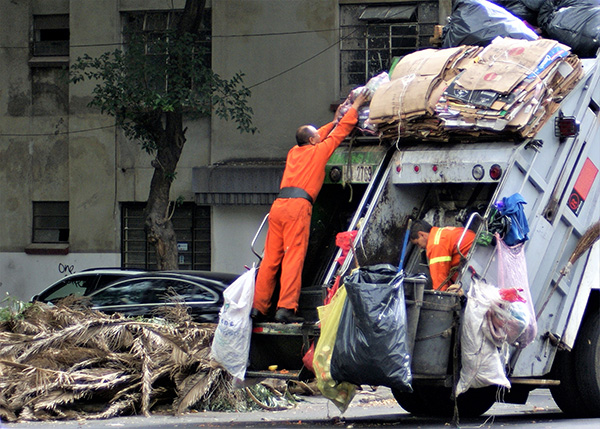 With a population growth rate of around 1,06% annually, the need for effective and safe waste disposal solutions in South Africa will increase and will bring with it several challenges that are compounded by a lack of funds and infrastructure and a need to increase public awareness.
“The mismanagement of waste can lead to significant and irreversible environmental, economic, and social impacts, such as land degradation, resource depletion, surface and groundwater pollution, and an increased risk to public health,” explains Pretorius.
And most municipalities are doing their part, with the industry seeing an increase in refuse compactor truck orders for wheelie bins for all domestic use. This has reduced curbside refuse and the need for refuse bags. Furthermore, many of these wheelie bins are manufactured using recycled plastics, further increasing the sector's circular economy.
Refuse compactor trucks have been adapted to deal with South African conditions such as uneven road surfaces and overhanging trees, and boast several features such as metal plates to protect trucks’ hydraulics and bin lifters that are safer and more efficient, bypassing the need for operators having to lift heavy bags or place their hands or arms into the hoppers.
To further promote increased safety and efficiency standards, 600SA is investigating the possibility of introducing a fully autonomous refuse compactor truck to the market. Utilising GPS and sensors, the truck will allow operators to safely walk beside the truck and focus on collections rather than climbing in and out of the vehicle. This, the company believes, will offer the agility and performance required to steer the industry into the future.
With the current compound annual growth rate in the South African waste management industry estimated to be worth over R30bn, the industry is growing year by year and is set to continue on its growth trajectory as government continues to introduce legislation to reduce waste and increase recycling.